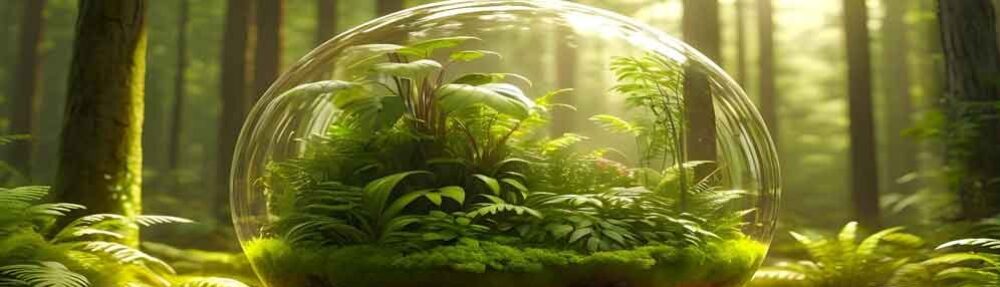
An Overview of Peperomia Plants

Peperomias, belonging to the family Piperaceae, are a diverse group of small, tropical plants native to Central and South America. They are popular among indoor plant enthusiasts due to their attractive foliage, compact size, and easy-care nature. This paper explores the characteristics, varieties, care requirements, and benefits of growing Peperomia plants.

Characteristics of Peperomia Plants

  1. Foliage:
    • Peperomia plants are known for their ornamental leaves, which come in a variety of shapes, sizes, and colors.
    • Leaves can be thick and succulent-like, often with patterns or variegation in shades of green, silver, red, and cream.
  2. Growth Habit:
    • Most Peperomias are compact and low-growing, making them ideal for small spaces and indoor environments.
    • They can be trailing, bushy, or rosette-forming, depending on the species.
  3. Flowers:
    • Peperomia flowers are generally small, spike-like inflorescences that are not particularly showy.
    • They typically appear on slender, upright stalks and are more of a curiosity than a decorative feature.

Popular Peperomia Varieties

Peperomia obtusifolia (Baby Rubber Plant):

    Description: Thick, glossy, oval-shaped leaves; green or variegated.

    Growth Habit: Bushy; grows up to 12 inches tall.

    Care: Prefers bright, indirect light; tolerates low light.

    Peperomia argyreia (Watermelon Peperomia):

    Description: Leaves resemble watermelon rinds with silver and green stripes.

    Growth Habit: Rosette-forming; leaves grow on short stems.

    Care: Prefers bright, indirect light; avoid direct sunlight.

    Peperomia caperata (Emerald Ripple Peperomia):

    Description: Heart-shaped leaves with deep ridges; dark green or reddish-purple.

    Growth Habit: Compact, clump-forming; grows up to 8 inches tall.

    Care: Thrives in moderate to low light.

    Peperomia prostrata (String of Turtles):

    Description: Small, round leaves with intricate patterns; resembles turtle shells.

    Growth Habit: Trailing; ideal for hanging baskets.

    Care: Prefers bright, indirect light; avoid overwatering.

    Peperomia pellucida (Shining Bush Plant):

    Description: Succulent-like, translucent leaves; bright green.

    Growth Habit: Spreading; grows up to 12 inches tall.

    Care: Requires high humidity and indirect light.

    Light:

    • Most Peperomias prefer bright, indirect light.
    • Some species can tolerate low light conditions, but growth may slow.

    Watering:

    • Allow the soil to dry out between waterings; overwatering can lead to root rot.
    • Peperomias have succulent-like leaves that store water, so they are somewhat drought-tolerant.

    Soil:

    • Use a well-draining potting mix, such as a cactus or succulent mix.
    • Adding perlite or sand can improve drainage.

    Humidity:

    • While Peperomias can tolerate average indoor humidity, they thrive in higher humidity.
    • Misting the leaves or placing the plant on a humidity tray can be beneficial.

    Temperature:

    • Peperomias prefer temperatures between 65-75°F (18-24°C).
    • Protect them from drafts and sudden temperature changes.

    Fertilization:

    • Feed monthly during the growing season (spring and summer) with a balanced, water-soluble fertilizer.
    • Reduce feeding during the fall and winter months.

    Propagation:

    • Peperomias can be propagated easily through stem or leaf cuttings.
    • Place cuttings in water or a moist potting mix until roots develop.

      Benefits of Growing Peperomia Plants

      1. Aesthetic Appeal:
        • Peperomias add visual interest to indoor spaces with their diverse and attractive foliage.
        • They are ideal for tabletops, shelves, and hanging planters.
      2. Air Purification:
        • Peperomias are known to help purify the air by removing toxins and improving indoor air quality.
      3. Low Maintenance:
        • These plants are easy to care for, making them suitable for both novice and experienced plant owners.
        • Their ability to tolerate a range of light conditions and infrequent watering makes them forgiving and resilient.
      4. Space-Saving:
        • Due to their compact size, Peperomias are perfect for small apartments, offices, and other limited spaces.
      5. Pet-Friendly:
        • Peperomias are non-toxic to pets, making them a safe choice for households with cats and dogs.

      Conclusion

      Peperomia plants are versatile and attractive additions to any indoor plant collection. With their diverse range of species, easy-care requirements, and numerous benefits, they are ideal for enhancing the aesthetic and ecological quality of indoor environments. By understanding the specific needs of different Peperomia varieties, plant enthusiasts can enjoy the beauty and simplicity of these charming plants.

      Common Standard Aquarium Sizes

      The average height of glass fish tanks varies depending on the specific size and design of the tank. However, here are some common dimensions for standard aquarium sizes, including their typical heights:

      10 Gallon Tank:

      • Dimensions: 20″ L x 10″ W x 12″ H
      • Height: 12 inches (30.5 cm)

      20 Gallon Tank (High):

      • Dimensions: 24″ L x 12″ W x 16″ H
      • Height: 16 inches (40.6 cm)

      20 Gallon Tank (Long):

      • Dimensions: 30″ L x 12″ W x 12″ H
      • Height: 12 inches (30.5 cm)

      29 Gallon Tank:

      • Dimensions: 30″ L x 12″ W x 18″ H
      • Height: 18 inches (45.7 cm)

      40 Gallon Tank (Breeder):

      • Dimensions: 36″ L x 18″ W x 16″ H
      • Height: 16 inches (40.6 cm)

      55 Gallon Tank:

      • Dimensions: 48″ L x 13″ W x 21″ H
      • Height: 21 inches (53.3 cm)

      75 Gallon Tank:

      • Dimensions: 48″ L x 18″ W x 21″ H
      • Height: 21 inches (53.3 cm)

      90 Gallon Tank:

      • Dimensions: 48″ L x 18″ W x 24″ H
      • Height: 24 inches (61 cm)

      125 Gallon Tank:

      • Dimensions: 72″ L x 18″ W x 21″ H
      • Height: 21 inches (53.3 cm)

      150 Gallon Tank:

      • Dimensions: 72″ L x 18″ W x 28″ H
      • Height: 28 inches (71.1 cm)

      Factors Influencing Tank Height

      • Volume: Larger tanks generally have more height to accommodate the increased water volume and provide sufficient swimming space for fish.
      • Design Purpose: Some tanks are designed to be taller (e.g., “high” tanks) to allow for specific aqua scaping or to house fish that prefer vertical space.
      • Breeder Tanks: Often have shorter heights to facilitate easier breeding and maintenance.

      Factors Influencing Tank Height

      • Volume: Larger tanks generally have more height to accommodate the increased water volume and provide sufficient swimming space for fish.
      • Design Purpose: Some tanks are designed to be taller (e.g., “high” tanks) to allow for specific aquascaping or to house fish that prefer vertical space.
      • Breeder Tanks: Often have shorter heights to facilitate easier breeding and maintenance.

      Conclusion

      The height of a glass fish tank varies depending on its overall volume and intended use. For standard tanks, heights typically range from 12 inches (30.5 cm) to 28 inches (71.1 cm). When choosing a tank, it’s important to consider the specific needs of the fish species you plan to keep, as well as the available space and the ease of maintenance.

      4o

      Mosses Used in Terrariums and Ponds

      Mosses are versatile plants that are popular in both terrarium and pond environments due to their unique aesthetic qualities and ecological benefits. This paper explores various types of mosses suitable for these ecosystems, their characteristics, and their care requirements.

      Introduction to Mosses

      Mosses are small, non-vascular plants that belong to the division Bryophyta. They play vital roles in ecosystems, including soil formation, moisture retention, and habitat provision for microfauna. In controlled environments like terrariums and ponds, mosses contribute to the aesthetic appeal while also fulfilling important ecological functions.

      Characteristics of Mosses

      1. Structure:

      Mosses lack true roots, stems, and leaves but possess specialized structures called rhizoids for anchorage.

      They have simple leaf structures, which are often one cell layer thick, making them efficient at absorbing moisture and nutrients.

      1. Water Retention:

      Mosses can retain significant amounts of water, helping to maintain humidity levels in terrariums and ponds.

      Their ability to absorb and release moisture makes them crucial for creating a balanced ecosystem.

      1. Light Requirements:

      Most mosses thrive in low to moderate light conditions, making them ideal for shaded areas in terrariums and underwater in ponds.

      1. Growth Habit:

      Mosses can grow in various forms, including mats, cushions, and tufts, allowing for diverse landscaping possibilities.

      Mosses in Terrariums

      Terrariums are enclosed ecosystems that mimic natural environments. Mosses are commonly used in terrariums to enhance aesthetic appeal and support ecosystem health.

      Common Mosses for Terrariums

      Here are some of the most popular moss species used in terrariums:

      1. Sheet Moss (Hypnum spp.)

      Description: Forms dense, flat mats; bright green color; soft texture.

      Care: Prefers high humidity; moderate light; can tolerate low light.

      Uses: Ground cover in terrariums, providing a lush, forest-like appearance.

      1. Sphagnum Moss (Sphagnum spp.)

      Description: Soft, spongy texture; can be green, red, or brown; grows in clumps.

      Care: Requires moist conditions; thrives in high humidity.

      Uses: Often used as a substrate for growing orchids and other plants; helps retain moisture.

      1. Java Moss (Taxiphyllum barbieri)

      Description: Dark green, dense growth; forms mats; often used in aquariums.

      Care: Thrives in water or humid conditions; tolerates low light.

      Uses: Provides shelter for small animals; helps to improve water quality in terrariums with aquatic elements.

      1. Cushion Moss (Leucobryum glaucum)

      Description: Forms dense, cushion-like mounds; pale green to white; soft texture.

      Care: Prefers acidic soils; needs high humidity and indirect light.

      Uses: Adds height and texture to terrarium landscapes; good for moist areas.

      1. Reindeer Moss (Cladonia rangiferina)

      Description: Grey-green color; bushy appearance; not a true moss (a lichen).

      Care: Requires dry conditions; prefers indirect light.

      Uses: Provides unique texture and color contrast in terrariums.

      Care Requirements for Terrarium Mosses

      • Humidity: Most mosses require high humidity levels (60-80%).
      • Lighting: Indirect light is best; direct sunlight can lead to drying out.
      • Substrate: A mixture of potting soil, peat, and sand or a layer of substrate suitable for moss growth.
      • Watering: Mist regularly to maintain humidity; avoid standing water to prevent rot.

      Mosses in Ponds

      Mosses play essential roles in pond ecosystems, contributing to the overall health and stability of aquatic environments.

      Common Mosses for Ponds

      Here are some of the most popular moss species used in ponds:

      1. Water Moss (Fontinalis antipyretica)

      Description: Forms lush green mats; grows underwater or partially submerged; found in freshwater habitats.

      Care: Prefers cool, clean water; requires moderate light; tolerates a range of pH levels.

      Uses: Provides habitat for aquatic invertebrates; improves water quality by absorbing nutrients.

      1. Java Moss (Taxiphyllum barbieri)

      Description: Similar to its terrestrial use; grows well submerged in water; dark green colour.

      Care: Thrives in a range of water conditions; low to moderate light.

      Uses: Provides shelter for fish fry and shrimp; helps reduce algae growth.

      1. Submerged Moss (Chara spp.)

      Description: Green algae with moss-like appearance; forms dense underwater growths.

      Care: Prefers clear water; requires moderate light; benefits from some water movement.

      Uses: Acts as a natural filter; provides habitat for small aquatic creatures.

      1. Moss Balls (Aegagropila linnaei)

      Description: Spherical green masses; formed by the accumulation of green filaments; often used in aquariums.

      Care: Prefers cool water; moderate light; tolerates a range of pH levels.

      Uses: Aids in water purification; provides habitat and shelter for fish.

      1. Peat Moss (Sphagnum spp.)

      Description: Forms in wetlands and bogs; retains water well; often used in landscaping and gardening.

      Care: Requires wet conditions; prefers acidic waters; indirect light.

      Uses: Helps regulate water levels and supports diverse pond ecosystems.

      Care Requirements for Pond Mosses

      • Water Quality: Ensure clean, nutrient-balanced water to prevent algae growth.
      • Light Conditions: Most aquatic mosses prefer moderate to bright indirect light.
      • Substrate: A substrate of gravel or sand can help anchor mosses in place.
      • Water Depth: Varies by species; shallow waters are preferred by some, while others thrive at greater depths.

      Benefits of Using Mosses

      In Terrariums

      1. Aesthetic Appeal:

      Adds lush greenery and texture to terrarium landscapes.

      Provides a natural and vibrant look, enhancing the overall visual interest.

      1. Moisture Regulation:

      Helps retain humidity, creating a stable microclimate for other plants.

      Prevents soil from drying out, benefiting delicate plant species.

      1. Habitat Creation:

      Provides shelter and microhabitats for small organisms, such as springtails and tiny insects.

      Supports a balanced ecosystem within the terrarium.

      In Ponds

      1. Water Quality Improvement:

      Absorbs excess nutrients and pollutants, helping to maintain clean water.

      Reduces algae growth by competing for nutrients.

      1. Habitat Provision:

      Offers shelter and breeding grounds for various aquatic organisms, including fish, frogs, and invertebrates.

      Creates complex habitats that enhance biodiversity.

      1. Erosion Control:

      Stabilizes pond edges and reduces sedimentation.

      Helps prevent bank erosion by anchoring soil with rhizoids.

      Conclusion

      Mosses are invaluable components in terrariums and ponds, providing ecological benefits and enhancing aesthetic appeal. Understanding the specific requirements and characteristics of various moss species allows for their successful incorporation into these environments. By utilizing mosses effectively, hobbyists and conservationists can create thriving ecosystems that promote biodiversity and maintain ecological balance. Whether in a glass terrarium or a backyard pond, mosses play an essential role in sustaining life and beauty in our green spaces.

      An Overview of Mosses in the UK

      Mosses are small, non-vascular plants that thrive in moist, shady environments. The UK is home to a rich diversity of moss species due to its varied climate and habitats. This paper explores the characteristics, ecological importance, and some common species of mosses found in the UK.

      Characteristics of Mosses

      Continue reading

      Farm Ponds: Design, Construction, and Maintenance

      Introduction

      Farm ponds serve multiple purposes, including irrigation, livestock watering, aquaculture, and erosion control. A well-designed farm pond can improve agricultural productivity and provide a reliable water source. This guide outlines the essential steps for designing, constructing, and maintaining a farm pond.

      Benefits of Farm Ponds

      Continue reading

      Wildlife Ponds: Design, Construction, and Maintenance

      Introduction

      Wildlife ponds are designed to create habitats that support a diverse range of flora and fauna. These ponds play a crucial role in promoting biodiversity, providing water sources, breeding grounds, and shelter for various species. This guide explores the design, construction, and maintenance of wildlife ponds to foster a thriving ecosystem.

      Benefits of Wildlife Ponds

      Continue reading

      Best Liners to Use for a Garden Pond

      Choosing the right liner is a crucial step in building a garden pond. The liner prevents water from seeping into the ground and ensures the pond retains its water level. Several types of liners are available, each with its advantages and disadvantages. This guide covers the best options for garden pond liners.

      Types of Pond Liners

      Continue reading

      Q&A on Pond Maintenance

      General Maintenance

      Q: How often should I clean my pond?

      A: The frequency of pond cleaning depends on the size of the pond, the amount of debris, and the presence of fish and plants. Generally, a thorough cleaning should be done at least once a year, preferably in the spring. Regularly removing debris like leaves and dead plants every few weeks will help maintain water quality.

      Continue reading

      Ponds and Pond Construction: A Comprehensive Guide

      Introduction

      Ponds are valuable features in both natural landscapes and managed environments, offering aesthetic beauty, recreational opportunities, and ecological benefits. Constructing a pond requires careful planning and understanding of various factors, including site selection, design, and construction techniques. This guide provides an in-depth look at the essential aspects of pond construction.

      Types of Ponds

      1. Garden Ponds:
        • Typically small and decorative.
        • Often feature ornamental plants and fish.
      2. Wildlife Ponds:
        • Designed to support local flora and fauna.
        • Promote biodiversity by providing habitats for various species.
      3. Farm Ponds:
        • Used for agricultural purposes such as irrigation and livestock watering.
        • Often larger and more utilitarian.
      4. Recreational Ponds:
        • Designed for activities like swimming and fishing.
        • Require careful management to maintain water quality.
      5. Retention/Detention Ponds:
        • Used for stormwater management.
        • Help control flooding and manage runoff.

      Planning and Site Selection

      1. Purpose:
        • Determine the primary purpose of the pond (e.g., aesthetic, recreational, agricultural, ecological).
        • This will influence design, size, and features.
      2. Location:
        • Topography: Choose a naturally low-lying area to minimize excavation.
        • Soil Type: Opt for clay-rich soils that can retain water. Sandy or gravelly soils may require a liner.
        • Water Source: Ensure a reliable water source, such as a natural spring, stream, or rainwater runoff.
        • Sunlight: Position the pond to receive adequate sunlight for plant growth while avoiding excessive heating.
      3. Permits and Regulations:
        • Check local regulations regarding pond construction.
        • Obtain necessary permits related to water use, land disturbance, and environmental impact.

      Design Considerations

      1. Size and Shape:
        • Match the pond size to its intended use and available space.
        • Irregular shapes with varying depths promote ecological diversity.
      2. Depth:
        • Shallow Areas: 1-2 feet for marginal plants and wildlife habitat.
        • Deeper Areas: 3-6 feet for fish habitat and temperature regulation.
      3. Liners and Sealing:
        • Clay: Natural sealing material, suitable for areas with clay-rich soil.
        • Synthetic Liners: PVC, EPDM, or HDPE liners are options for areas with poor soil retention.
        • Concrete: Used for formal ponds with defined shapes and structures.
      4. Overflow and Drainage:
        • Incorporate an overflow system to manage excess water and prevent flooding.
        • Install drainage to control water levels and facilitate maintenance.

      Construction Steps

      1. Excavation:
        • Outline the pond shape with marking paint or stakes.
        • Excavate to the desired depth, creating shelves for plants.
        • Smooth and compact the pond bed and walls to prevent leaks.
      2. Liner Installation:
        • If using a synthetic liner, lay a protective underlayment to prevent punctures.
        • Spread the liner over the pond, allowing for overlap at the edges.
        • Secure the liner with rocks or soil around the perimeter.
      3. Water Inlet and Outlet:
        • Install pipes or channels for water inflow and outflow.
        • Ensure the inlet is positioned to minimize sediment intake, and the outlet is placed to manage water levels effectively.
      4. Planting and Landscaping:
        • Add aquatic plants to different pond zones (marginal, submerged, floating).
        • Landscape the surrounding area with rocks, gravel, and soil to integrate the pond into the environment. See ‘Planting Regions of a Pond and Suitable Plants for Each Region’
      5. Filling the Pond:
        • Gradually fill the pond with water, checking for leaks.
        • Allow the water to settle and reach the desired level.

      Maintenance and Management

      1. Water Quality:
        • Monitor water parameters (pH, temperature, nutrient levels).
        • Prevent algal blooms by managing nutrient input and providing shade.
      2. Vegetation Management:
        • Control invasive species and maintain a balance of plant types.
        • Regularly prune and thin plants to prevent overcrowding.
      3. Wildlife Support:
        • Provide habitats such as logs, rocks, and aquatic plants for wildlife.
        • Monitor and manage fish populations to avoid overstocking.
      4. Seasonal Care:
        • Prepare the pond for seasonal changes by removing debris and managing water levels.
        • Winterize equipment and provide aeration in colder climates.

      Conclusion

      Constructing a pond involves careful planning, design, and execution to create a functional and aesthetically pleasing water feature. By considering the purpose, location, design elements, and maintenance requirements, you can build a pond that enhances the landscape, supports wildlife, and meets specific needs. Whether for gardening, agriculture, or recreation, a well-designed pond adds significant value to any property.

      Planting Regions of a Pond and Suitable Plants for Each Region

      Introduction

      Creating a balanced and visually appealing pond involves planting a variety of aquatic plants suited to different regions of the pond. Each region has unique environmental conditions that support specific types of plants. This paper outlines the primary planting regions of a pond and suggests suitable plants for each area.

      Primary Planting Regions of a Pond

      Continue reading